The Basics: Flatbed vs Wheel-Lift Towing in Cuyahoga
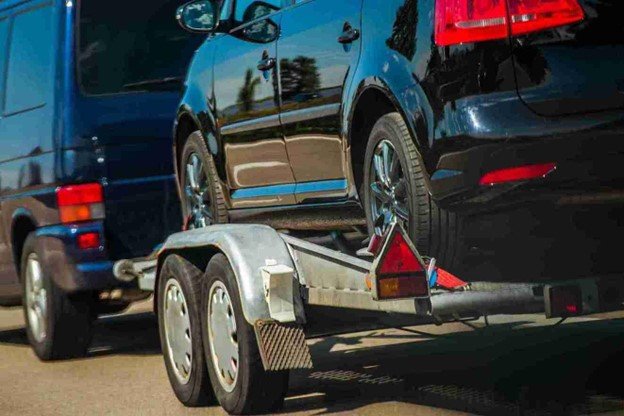
Let’s break down what’s really happening when your vehicle gets towed. Not every tow is the same, and the method used can affect your car’s safety, cost, and transport time. Flatbed towing involves loading the entire vehicle onto a truck, while wheel-lift towing raises only two wheels off the ground. Each option has its place depending on your vehicle type, damage level, and situation on the road. Knowing the difference helps Cuyahoga drivers understand why one method may be recommended over the other.
A. The Hard Truth – Flatbed vs Wheel-Lift Towing Costs in Cuyahoga
For most towing calls in Cuyahoga, wheel-lift towing is usually the more affordable option. On average, wheel-lift tows often fall in the $75–$125 range for local moves, depending on distance, vehicle size, and road conditions.
Flatbed towing typically costs more, usually ranging from $100–$200 or higher. The price goes up because the entire vehicle is loaded onto the truck, which takes more time, equipment, and fuel.
A simple rule of thumb:
- Wheel-lift towing costs less and works best for short distances and standard vehicles.
- Flatbed towing costs more but offers better protection, especially for damaged, low-clearance, or all-wheel-drive vehicles.
Final pricing can change based on how far the vehicle needs to go, whether it’s stuck in a tight spot, traffic conditions in Cuyahoga, time of day, and whether extra steps like winching are required.
B. Breaking Down Towing Methods by Situation: What You’re Really Paying For
The type of towing your vehicle needs plays the biggest role in the final cost and how your car is handled. Each method comes with different equipment, setup time, and safety considerations. Knowing the differences helps you understand why Cuyahoga Towing Services may recommend one option over another.
Flatbed Towing (The Safest All-Around Option)
- Cost: ~$100–$200+
- Common Work: Loading the entire vehicle onto a flat platform and securing it for transport
- Why it’s needed: Accident damage, all-wheel drive vehicles, low clearance cars, and long-distance towing
- Flatbed towing keeps all four wheels off the road. This reduces wear and lowers the risk of damage during transport. It’s the best choice for newer vehicles, cars that won’t roll, or situations where safety matters more than speed.
Wheel-Lift Towing (The Fast, Budget-Friendly Choice)
- Cost: ~$75–$125
- Common Work: Lifting two wheels off the ground and towing the vehicle on its remaining wheels
- Why it’s needed: Short-distance tows, parked vehicle relocations, standard front- or rear-wheel drive cars
- Wheel-lift towing is quicker to set up and costs less. For many routine tows around Cuyahoga, it gets the job done efficiently when the vehicle is in a drivable condition.
Dolly Towing (The In-Between Option)
- Cost: ~$90–$150
- Common Work: Using a wheel dolly to lift the non-driven wheels during a tow
- Why it’s needed: All-wheel drive vehicles when a flatbed isn’t available
- Dolly towing adds extra protection compared to a basic wheel-lift. It’s often used as a backup option when space, timing, or access make a flatbed difficult.
Winch-Assisted Towing (The Recovery Add-On)
- Cost: Added to base tow
- Common Work: Pulling a vehicle out of a ditch, driveway, snowbank, or tight spot
- Why it’s needed: Stuck vehicles, accidents, bad weather, or off-road situations
- Winching isn’t a towing method by itself, but it affects pricing. If your vehicle isn’t easily accessible, extra equipment and time are required to safely recover it before towing.
Understanding these options helps Cuyahoga drivers know what they’re paying for and why certain towing methods are recommended based on the situation, not guesswork.
C. The Hidden Costs: Labor, Access, and Cuyahoga Road Conditions
Beyond the base towing rate, a few behind-the-scenes factors can affect the final cost of flatbed or wheel-lift towing in Cuyahoga.
Labor and Skill Level:
Towing rates aren’t just about the truck. Experienced operators, specialized equipment, and complex setups take more time and skill. Accident recoveries, damaged vehicles, or tight roadside situations often require slower, more careful work, which can increase the total cost.
Vehicle Access and Location:
Where your car is stuck matters; vehicles in narrow driveways, parking garages, busy intersections, or awkward roadside spots can take longer to load. If a truck needs to reposition, block traffic, or use extra equipment, the job becomes more time-intensive.
Weather and Road Conditions:
Cuyahoga weather plays a big role. Snow, ice, heavy rain, and freezing temperatures can slow down loading and transport. Slick roads and poor visibility require extra precautions, especially during the winter months, which can add time and cost to the tow.
These factors explain why two towing jobs that seem similar can end up priced differently. It’s not guesswork – it’s about safely handling your vehicle based on real conditions on Cuyahoga roads.
D. What Puts Stress on Your Vehicle – Cuyahoga Road and Weather Conditions
Cuyahoga’s changing weather and road conditions can be tough on vehicles, especially when breakdowns or accidents happen at the wrong time.
Weather Wear:
Freeze-thaw cycles take a real toll on roads and vehicles. Cold temperatures, ice buildup, and sudden thaws can lead to dead batteries, tire damage, and loss of traction. Snow and freezing rain also increase the risk of slide-offs and minor collisions, which often require flatbed or wheel-lift towing.
Moisture and Mechanical Issues:
Rain, slush, and road salt can seep into brakes, wheel assemblies, and electrical systems. Over time, this leads to corrosion, sensor failures, and starting problems. When vehicles won’t move safely under their own power, proper towing becomes the safest option.
Everyday Driving Impact:
Potholes, uneven pavement, and winter debris can cause suspension damage or flat tires without much warning. Even routine driving around Cuyahoga can leave a vehicle disabled in a driveway, parking lot, or roadside spot, making professional towing necessary.
Paying attention to weather-related wear and responding early helps drivers avoid bigger problems and reduces the risk of costly damage or unsafe breakdowns.
A Look Back at Towing Trends: Why 2025 Looks a Little Different
Flatbed towing and wheel-lift towing prices in Cuyahoga have shifted over the past few years. What used to be fairly predictable now comes with more variables. Here’s what’s driving those changes and why 2025 brings a new set of realities for drivers who need a tow.
A. The Not-So-Good Old Days: Recent Changes in Towing Costs
Towing rates across Cuyahoga and Northeast Ohio have steadily increased from 2022 through 2025. These changes follow the same pressures affecting the broader roadside and transportation industry.
Why the Increase:
Fuel prices have been a major factor. Tow trucks burn a lot of fuel, especially flatbeds. On top of that, equipment costs have gone up. Winches, hydraulics, wheel-lift systems, and flatbed components are more expensive to maintain and replace than they were just a few years ago. Parts and repairs for towing equipment have jumped roughly 20–30% since 2020.
All of that adds to the base cost of providing safe, reliable towing services.
Labor Costs Are Rising Too:
Experienced tow operators are harder to find. Rates for skilled drivers in Northeast Ohio have increased year over year as demand rises and availability tightens. Operators who can safely handle accident recoveries, all-wheel-drive vehicles, and tight Cuyahoga road conditions command higher wages.
That combination of higher operating costs and increased labor demand is why towing in 2025 may cost more than it did just a few years ago, even for similar situations.
B. 2025 – The Current Reality Check for Your Wallet
Equipment Costs:
Even though some supply chain issues have eased since the pandemic, towing equipment is still expensive to maintain. Flatbeds, wheel-lift systems, winches, and hydraulics require constant servicing. Fuel prices, replacement parts, and truck upkeep all remain higher than pre-2020 levels, which directly affects towing rates in Cuyahoga.
Labor Squeeze:
Qualified tow truck operators are still in short supply. Drivers who can safely handle accident scenes, all-wheel-drive vehicles, tight parking areas, and winter road conditions are in high demand. That keeps labor rates higher and can lead to longer wait times during peak periods.
With roadside assistance and towing calls staying steady across Northeast Ohio, prices remain on the higher end heading into 2025.
Navigating the Cuyahoga Towing Landscape: Rules, Guidelines, and Avoiding Costly Mistakes
Getting your vehicle towed isn’t just about calling the closest truck. Choosing the right towing method and understanding basic guidelines can help you avoid damage, delays, and unnecessary costs. Whether you’re dealing with a breakdown, accident, or roadside issue, knowing what to expect makes the process smoother.
A. Flatbed or Wheel-Lift? The Question Every Driver Asks
The Vehicle-Type Rule:
If your vehicle has all-wheel drive, low ground clearance, or accident damage, flatbed towing is usually the safer option. It keeps all four wheels off the road and prevents drivetrain or suspension damage.
For standard front- or rear-wheel drive vehicles that can roll freely, wheel-lift towing is often enough and usually more affordable.
Minor Issue vs. Major Situation:
If your car just won’t start or needs a short tow, wheel-lift towing is a quick and cost-effective solution.
But if you’re dealing with collision damage, a locked wheel, transmission issues, or a longer-distance tow, flatbed towing is the smarter long-term choice. It reduces risk, protects your vehicle, and avoids additional repair costs down the line for Cuyahoga drivers.
B. Cuyahoga Red Tape – Local Rules, Road Safety, and Avoiding Surprise Charges
City and Safety Requirements:
Towing in Cuyahoga usually does not require a permit for standard breakdowns or roadside assistance. However, accident recoveries, vehicles blocking traffic, or cars stuck in unsafe locations can involve local police coordination. In some cases, law enforcement may request a specific towing method or require the vehicle to be cleared quickly for safety reasons. Ignoring these instructions can lead to delays or added fees.
Vehicle and Location Guidelines:
Where your vehicle is located affects how the tow is handled and priced. A few common Cuyahoga factors include:
- Parking garages or tight driveways: Limited clearance may rule out certain trucks and require more careful loading.
- Busy roads or intersections: Traffic control or extra setup time can increase labor costs.
- Winter conditions: Snowbanks, ice, or blocked wheels may require winching before towing even begins.
HOA and Private Property Rules:
If your vehicle is on private property, apartment complexes, or HOA-managed areas, towing rules can be strict. Some locations require property manager approval, posted tow authorization, or specific procedures before a vehicle can be moved. Skipping these steps can result in disputes or additional charges.
Time of Day Matters:
Most standard towing rates apply during normal daytime hours. Late-night, early-morning, weekend, or holiday tows often come with after-hours fees. Weather emergencies or high-demand periods can also affect response times and pricing.
Knowing these local factors ahead of time helps Cuyahoga drivers avoid confusion, delays, and unexpected costs when they need flatbed or wheel-lift towing.
C. The Neighborly Nuisance – Parking Disputes, Property Lines, and Towing Issues
Shared Responsibility Headaches:
In Cuyahoga, towing situations that involve shared driveways, apartment lots, or property lines are usually private matters. If a vehicle is parked on or near a boundary and one party wants it moved while another disagrees, the city typically won’t intervene unless there’s a clear safety or legal issue. That can lead to delays, arguments, and unexpected towing charges if things aren’t handled carefully.
Parking and Property Impact:
Property owners are generally responsible for making sure vehicles on their property don’t block access, fire lanes, or neighboring driveways. A car that blocks another resident’s exit, delivery access, or emergency route can quickly turn into a towing issue. When vehicles spill over onto adjacent property, resolving it often requires cooperation between both parties.
Pro Tip:
If you’re dealing with a shared driveway, private lot, or ongoing parking issue, get things in writing when possible. Clear rules, posted signage, or written agreements help prevent disputes and protect everyone involved. When towing is necessary, having proper authorization avoids conflicts and keeps the situation from escalating.
D. Beware of Towing Scams – Common Complaints and Red Flags
BBB Blues:
Drivers in Cuyahoga and nearby areas often report towing-related complaints, such as:
- Prices changing after the vehicle is already loaded
- Extra fees were added without a clear explanation
- Long wait times after being told help was on the way
- Vehicles taken to unexpected storage locations
- Poor communication once the tow is completed
Scam Signals – Watch Out For:
- Vague pricing with no estimate before dispatch
- Refusal to explain why a flatbed or wheel-lift is being used
- Pressure to agree quickly without answering questions
- No company name, markings, or operator identification
- Requests for cash-only payment with no receipt
Your Action Plan:
Ask for clear pricing upfront, confirm the towing method, and verify the company’s local presence before agreeing to service. A reliable Cuyahoga towing company will explain your options, give transparent pricing, and handle your vehicle with care. Taking a few extra seconds to ask questions can save you from stress, surprise charges, and unnecessary damage.
The Future of Towing – Innovations Making Roadside Help Safer and Smarter
The future of towing in Cuyahoga is heading in a better direction. New technology, improved equipment, and smarter dispatch systems are making roadside assistance faster, safer, and more predictable for drivers. That means less waiting, fewer surprises, and better protection for your vehicle.
A. Smarter Towing – Technology That Works for Drivers
GPS, Dispatch, and Real-Time Tracking:
Modern towing companies now use GPS-based dispatch and live tracking to send the closest truck to your location. This cuts down response times and helps drivers know when help is actually on the way instead of guessing.
Advanced Equipment and Vehicle Safety:
Newer flatbeds and wheel-lift systems are designed to handle today’s vehicles better. Adjustable beds, soft-strap systems, and improved winches reduce the risk of underbody damage, suspension stress, and wheel scuffs during loading.
Long-Term Impact:
While upgraded trucks and tech cost more to operate, they lower the risk of vehicle damage and repeat breakdowns. For Cuyahoga drivers, this means safer tows, clearer communication, and a smoother experience when roadside help is needed.
B. Greener, Tougher Towing – Built for Modern Vehicles
Eco-Friendly Trucks and Practices:
Towing is slowly getting cleaner. Many companies are upgrading to newer trucks with better fuel efficiency, cleaner emissions, and less idle time. Some are using synthetic fluids, improved fuel blends, and smarter routing to cut down on fuel waste while still providing reliable service in Cuyahoga.
Stronger Equipment for Today’s Cars:
Modern vehicles are heavier, lower to the ground, and packed with sensors. New flatbeds and wheel-lift systems are built to handle this. Soft straps, adjustable lift points, and reinforced beds protect frames, wheels, and suspension better than older gear.
Cleaner, Less Disruptive Recoveries:
New recovery tools focus on control instead of force. Compact winches, low-angle loading, and precision dollies reduce road damage, tire scuffing, and undercarriage issues. That means safer tows and less mess, even in tight Cuyahoga streets or parking areas.
C. High-Tech Towing: Precision, Safety, and Efficiency
Smarter Estimates and Dispatch:
Modern towing systems can factor in location, vehicle type, traffic, and weather to give faster and more accurate estimates. Drivers get clearer expectations without the guessing or surprise add-ons.
GPS Tracking and Digital Mapping:
Tow operators now rely on GPS mapping to plan safer loading zones and faster routes. This helps avoid low bridges, tight turns, and high-traffic areas, keeping both the vehicle and operator safer.
Advanced Loading and Recovery Systems:
New winch controls, self-leveling beds, and controlled pull systems allow vehicles to be loaded smoothly with less strain. This reduces the risk of damage during accident recoveries or when vehicles are stuck in awkward positions.
Remote and Automated Equipment:
Remote-controlled winches and hydraulic systems let operators stand at safer distances during recoveries. These tools are especially useful during winter weather, roadside accidents, or nighttime tows around Cuyahoga.
D. The Future Is Proactive
Towing is shifting from reactive rescue to prevention. Expect more roadside monitoring, smarter vehicle alerts, and faster response systems that catch problems before drivers are stranded.
Better vehicle diagnostics, improved roadside assistance tools, and operator training will help reduce breakdown-related damage and unsafe situations. For Cuyahoga drivers, this means fewer surprises, safer tows, and a more predictable experience when help is needed.
Conclusion: Your Cuyahoga Towing Action Plan for 2025
Flatbed towing and wheel-lift towing both have their place, but choosing the right option comes down to your vehicle, the problem you’re facing, and the conditions on the road. In 2025, Cuyahoga drivers are dealing with higher operating costs, tougher weather swings, and more complex vehicles than ever before, which makes informed decisions even more important.
If your car has accident damage, all-wheel drive, low clearance, or mechanical issues that prevent it from rolling safely, flatbed towing is usually the safest choice. It offers better protection and reduces the risk of added repairs. For short-distance tows involving standard vehicles, wheel-lift towing remains a faster and more budget-friendly option.
The best move is to ask questions before the truck arrives. Confirm pricing, understand why a specific towing method is being recommended, and work with a local towing company that’s transparent and experienced. A reliable Cuyahoga towing service will focus on safety first, communicate clearly, and get you and your vehicle where you need to be without surprises.
Planning ahead, knowing your options, and choosing the right towing method can save you time, money, and stress when the unexpected happens in 2025.
Recap
Dealing with a breakdown or accident in Cuyahoga isn’t just about getting your car moved. It’s about protecting your vehicle, staying safe on the road, and avoiding extra damage or surprise costs. The towing method used matters more than most drivers realize. Understanding the differences between flatbed and wheel-lift towing helps you make the right call when it counts.
Key Takeaways
- Flatbed towing is the safest option for accident damage, all-wheel drive vehicles, low-clearance cars, and longer-distance tows.
- Wheel-lift towing is faster and more affordable for short-distance tows involving standard front- or rear-wheel drive vehicles.
- Weather, road conditions, and vehicle location in Cuyahoga can affect both the towing method and final cost.
- Asking questions upfront helps prevent misunderstandings and unexpected charges.
- Working with a trusted local towing company ensures your vehicle is handled correctly and safely.
Final Thought
When something goes wrong on the road, having the right towing solution makes a real difference. Choosing the proper method, understanding your options, and working with experienced local professionals can save you time, money, and stress. For 2025 and beyond, staying informed and prepared is the best way to handle unexpected roadside situations in Cuyahoga.